
In today’s fast-paced world, wearable technology has become an integral part of everyday life. From fitness trackers to smartwatches, these devices not only enhance convenience but also empower users to monitor their health and stay connected. As technology evolves, so does the potential for wearables to transform personal well-being and productivity.
Wearable tech isn’t just a trend; it’s a revolution in how individuals interact with their environment and manage their daily activities. With features like heart rate monitoring and GPS tracking, these gadgets provide invaluable insights into personal health and fitness. As the market continues to expand, understanding the impact and capabilities of wearable technology is more important than ever.
Overview Of Wearable Technology
Wearable technology encompasses a variety of devices designed to be worn on the body, seamlessly integrating into daily activities. Key categories of wearable technology include fitness trackers, smartwatches, smart glasses, and wearable medical devices. These devices leverage sensors and software to monitor physical activities, health metrics, and even environmental conditions.
Key Features
- Health Monitoring: Wearable devices offer functionalities such as heart rate monitoring, sleep tracking, and calorie counting, helping users manage their overall wellness.
- GPS Tracking: Many wearables include GPS capabilities that allow for precise tracking of outdoor activities, such as running or cycling.
- Connectivity: Wearable technology often connects to smartphones, enhancing user experiences through notifications, calls, and messages directly through the device.
Market Growth
The wearable technology market has experienced rapid growth. Projections indicate a continuous increase in device adoption, driven by advancements in technology and consumer interest in health and fitness. In 2023, the global wearable device market reached approximately $70 billion, with expectations for further expansion over the next few years.
User Engagement
Wearables encourage increased user engagement through interactive interfaces and gamification strategies. For instance, users often participate in challenges and competitions to maintain motivation, leading to improved fitness levels. The ability to share achievements on social media enhances community building among users.
Security and Privacy
Security and privacy concerns remain significant in the wearable technology space. Data from wearables often includes sensitive health information, necessitating robust data protection measures. Manufacturers are focusing on implementing encryption and secure authentication methods to safeguard user data.
Wearable technology vastly impacts lifestyle and health management, representing a pivotal shift in personal technology use. These devices not only enhance convenience but also empower users through valuable insights and connectivity.
Types Of Wearable Technology

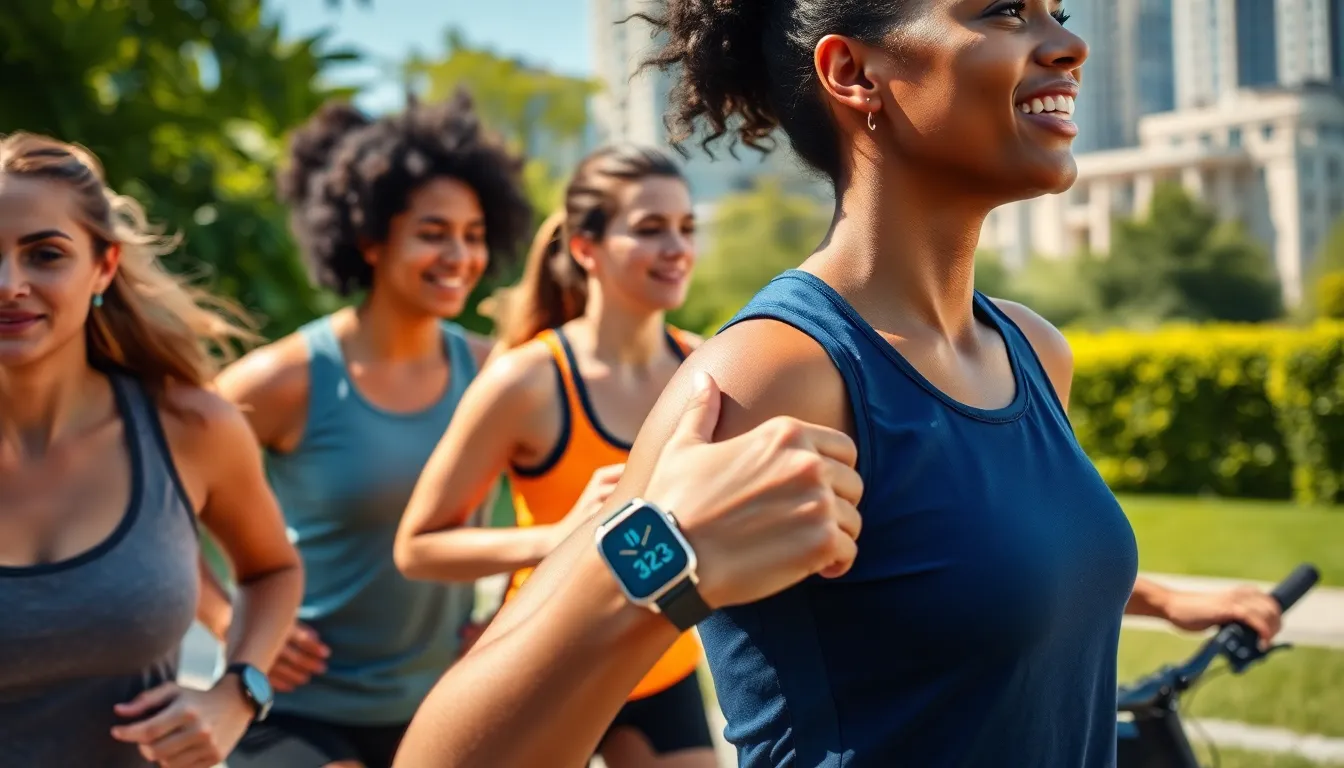
Wearable technology encompasses various devices, each serving unique purposes and functions. Understanding these categories helps users choose the right devices for their needs.
Fitness Trackers
Fitness trackers monitor physical activities and health metrics, such as steps taken, calories burned, and sleep patterns. Devices like Fitbit and Garmin offer advanced features, including heart rate monitoring and GPS tracking, allowing users to analyze workouts in real-time. Many fitness trackers also provide connectivity to smartphones, enabling notifications and tracking progress through mobile apps.
Smartwatches
Smartwatches combine the functionality of a traditional watch with advanced smart features. They allow users to receive notifications, track fitness goals, and access apps directly from their wrists. Popular models, such as the Apple Watch and Samsung Galaxy Watch, include health tracking capabilities like ECG and blood oxygen monitoring, fostering a more connected lifestyle. Smartwatches also often support customizable watch faces and interchangeable bands, enhancing personal style.
Health Monitoring Devices
Health monitoring devices focus on specific medical functions, often designed for ongoing health management. Examples include continuous glucose monitors, wearable ECG monitors, and portable blood pressure cuffs. These devices typically connect to healthcare systems or mobile applications, allowing for real-time data sharing with healthcare professionals. Users benefit from proactive health management through alerts and insights tailored to individual health needs.
Benefits Of Wearable Technology
Wearable technology offers numerous benefits that enhance user experience and daily functionality. Users can access valuable health data and maintain connectivity through these devices.
Enhanced Health Tracking
Wearable technology provides comprehensive health tracking capabilities. Devices like fitness trackers and smartwatches monitor vital metrics, including heart rate, sleep patterns, and physical activity levels. Health reports generated by these devices enable users to identify patterns and set fitness goals. Continuous monitoring supports proactive health management, allowing for early detection of potential health issues. For example, wearables can alert users to irregular heart rates, prompting timely medical consultations. Integration with mobile health apps further enhances data analysis, aiding users in making informed lifestyle choices.
Improved Connectivity
Wearable technology increases connectivity by syncing with smartphones and other devices. Notifications for calls, messages, and app alerts appear directly on users’ wrists or glasses. This feature prevents users from missing important communications, simplifying interactions during busy moments. Enhanced connectivity promotes access to social networks and online communities, fostering user engagement in fitness challenges and wellness groups. Additionally, wearables often support voice commands and smart assistants, facilitating hands-free operation and convenience in daily activities. Such seamless connectivity drives the adoption of wearables while embedding them into users’ everyday routines.
Challenges In Wearable Technology
Wearable technology faces several challenges that hinder its optimal adoption and functionality. Key issues include privacy concerns and battery life limitations.
Privacy Concerns
Privacy concerns represent a significant challenge for wearable technology. Devices often collect sensitive personal health data, leading to potential misuse if proper safeguards are absent. Reports indicate that 79% of consumers express discomfort regarding personal data collection from wearables. Manufacturers must focus on implementing robust encryption methods and transparent data practices to protect user information. Regulatory frameworks, such as the Health Insurance Portability and Accountability Act (HIPAA) in the U.S., mandate strict guidelines for handling health data, yet not all wearable tech complies. Educating users about data handling practices and ensuring user control over information can help build trust.
Battery Life Limitations
Battery life limitations impact user experience and device functionality. Many wearables require daily or frequent recharging, which discourages consistent use. Most fitness trackers and smartwatches operate for 24 to 48 hours on a single charge, while high-demand features like GPS tracking drain batteries rapidly. Innovations in battery technology, such as solar charging and energy-efficient components, could enhance device longevity. Research from the International Data Corporation (IDC) indicates that extending battery life could increase user satisfaction by up to 60%, promoting more sustained engagement with wearable technology.
Future Trends In Wearable Technology
Wearable technology continues to evolve, driven by advancements in design and integration with artificial intelligence. These trends enhance functionality and improve user experience significantly.
Advances In Design
Advancements in design focus on aesthetics and functionality of wearable devices. Manufacturers emphasize lightweight materials, making wearables more comfortable for prolonged use. Sleek designs allow for better integration into daily wear, encouraging users to adopt these devices. Customization options, including interchangeable bands and watch faces, enhance personal expression. Furthermore, flexible display technologies enable innovative features, allowing wearables to adapt to different usage scenarios, such as fitness tracking or casual everyday use.
Integration With AI
Integration with AI transforms wearable technology into powerful health monitoring tools. AI algorithms analyze user data, providing personalized insights and recommendations. Wearables equipped with AI can track fitness routines and suggest optimal workout schedules based on individual performance metrics. Moreover, predictive analytics can anticipate potential health issues by monitoring patterns in physical activity and vital signs. Enhanced voice recognition capabilities enable seamless interaction with devices, facilitating hands-free operation and real-time assistance. This shift toward AI integration positions wearables not only as passive data collectors but as proactive health management tools.