
Peskatarianism is taking the culinary world by storm, offering a fresh twist on traditional dietary choices. This increasingly popular eating style combines the best of both worlds: pescatarian principles with vegetarian foundations, allowing followers to enjoy seafood while still embracing a predominantly plant-based lifestyle.
Whether you’re curious about reducing your meat consumption or looking for a more flexible approach to healthy eating, peskatarianism might be the perfect middle ground. It’s not just another food trend—it’s a sustainable way of eating that’s kinder to the planet while still providing essential nutrients many strict vegetarians struggle to obtain naturally.
What Is Peskatrian: Understanding the Indonesian Educational Concept
Peskatrian represents a unique Indonesian educational model that integrates Islamic boarding school traditions with modern educational approaches. Unlike the peskatarian diet mentioned previously, peskatrian (sometimes spelled “pesantren”) refers to Islamic boarding schools primarily located throughout Indonesia, particularly on the islands of Java and Sumatra. These institutions serve as centers for Islamic education where students live and study under the guidance of religious teachers known as “kyai” or “ustadz.”
Traditional peskatrian emphasizes religious studies, focusing on Quranic recitation, Islamic jurisprudence, and Arabic language skills. Students typically reside in dormitories within the school compound, creating a communal learning environment that fosters discipline and spiritual development. Daily activities in peskatrian include five-time prayers, religious discussions, and memorization of religious texts.
Modern peskatrian institutions have evolved to incorporate formal academic subjects alongside religious education. Mathematics, sciences, languages, and technology now complement traditional Islamic studies in many progressive peskatrian schools. This integrated approach aims to prepare students for higher education and career opportunities while maintaining strong religious foundations.
The educational philosophy of peskatrian centers on character building and moral development through immersive Islamic teachings. Values such as respect for elders, community service, and self-discipline form the cornerstone of peskatrian education. Students develop independence through participation in community governance and daily chores, learning practical life skills alongside their academic and religious studies.
Indonesia’s Ministry of Religious Affairs recognizes peskatrian as important components of the national education system, with thousands of these institutions operating throughout the archipelago. Many peskatrian schools now follow standardized curricula that allow their graduates to continue to public universities while maintaining their distinctive religious character and educational approach.
The Historical Roots of Peskatrian Systems
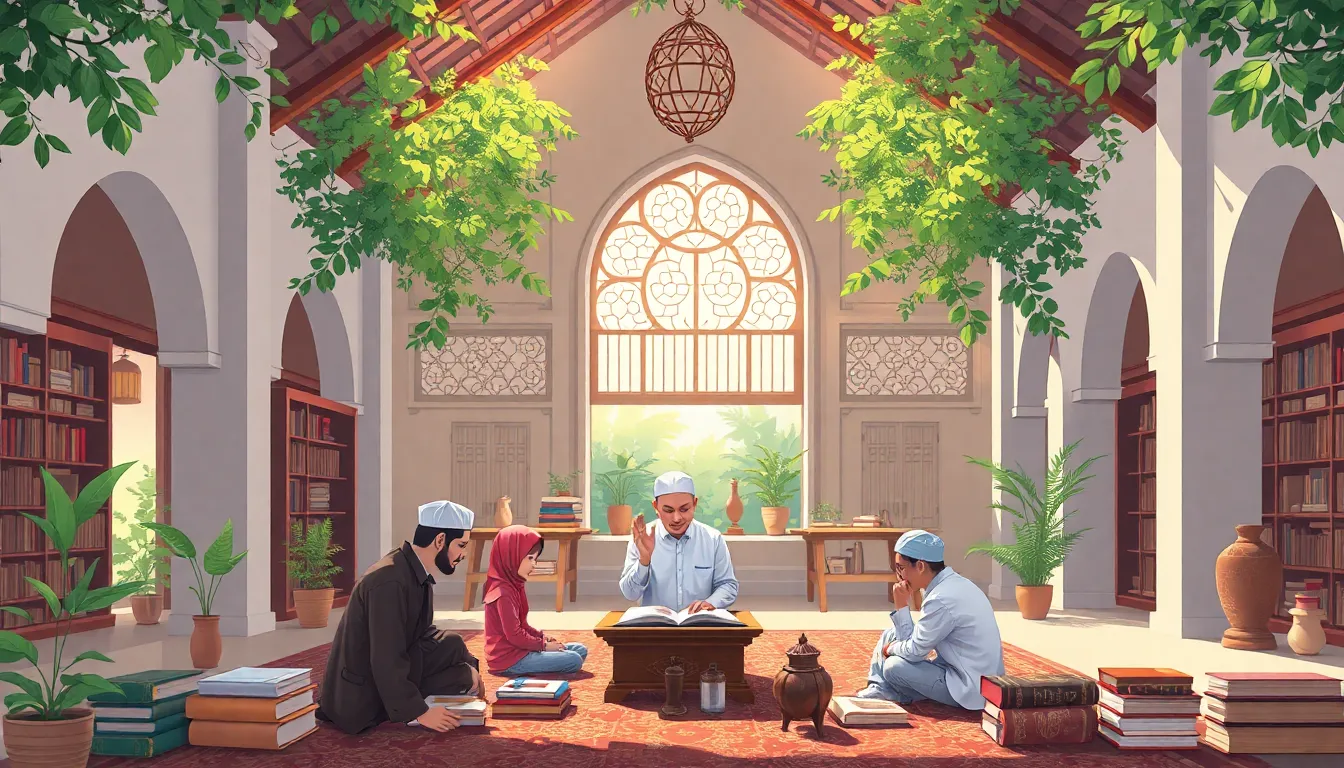
Peskatrian systems trace their origins to Indonesia’s long-standing tradition of Islamic education. These institutions evolved from humble community-based learning circles into sophisticated educational establishments that blend religious teachings with contemporary academic approaches.
From Traditional Pesantren to Modern Peskatrian
The evolution of peskatrian began with traditional pesantren (Islamic boarding schools) established in Indonesia during the 18th and 19th centuries. Early pesantren focused exclusively on religious studies, with students gathering around respected Islamic scholars known as “kyai” to study classical Arabic texts and Islamic jurisprudence. Throughout the 20th century, these institutions gradually incorporated formal academic subjects while maintaining their spiritual foundation. The transformation accelerated after Indonesia’s independence in 1945 when educational reforms prompted many pesantren to adopt standardized curricula. Modern peskatrian institutions now feature well-equipped facilities, structured academic programs, and digital learning tools while preserving their distinctive religious character and communal living arrangements that promote discipline and character development.
Cultural and Religious Influences
Indonesian cultural values and Islamic principles form the backbone of peskatrian educational philosophy. The Javanese concept of “nrimo” (acceptance) and “hormat” (respect) permeate daily interactions within these institutions, fostering humility and communal harmony. Sufism’s spiritual practices influence peskatrian educational methods, emphasizing personal transformation alongside intellectual development. Colonial experiences also shaped peskatrian identity, as these institutions became centers of cultural preservation and resistance during Dutch rule. Regional variations exist across Indonesia, with Javanese peskatrian emphasizing refinement and artistic expression while Sumatran institutions often focus on practical skills and entrepreneurship. Despite these differences, all peskatrian share core Islamic values such as compassion, discipline, and the pursuit of knowledge as religious duty.
Key Elements of the Peskatrian Educational Model
The peskatrian educational model integrates several distinctive components that create its unique approach to learning. These elements combine traditional Islamic teachings with modern educational practices to develop well-rounded individuals prepared for both spiritual and worldly challenges.
Curriculum Structure and Teaching Methods
Peskatrian institutions employ a dual-track curriculum that balances religious instruction with academic subjects. Morning sessions typically focus on formal academic studies including mathematics, sciences, languages, and social studies that align with national educational standards. Afternoons and evenings transition to religious studies featuring Quranic recitation (tahfidz), Islamic jurisprudence (fiqh), and Arabic language instruction. The teaching methodology in peskatrians emphasizes the “sorogan” system where students study texts individually with teachers, alongside “bandongan” group sessions where teachers read and explain classical texts to multiple students simultaneously. Modern peskatrians incorporate digital learning tools, interactive discussions, and project-based learning while maintaining the traditional teacher-student relationship known as “santri-kyai” that emphasizes respect and mentorship.
Community Living and Character Development
Communal living forms the cornerstone of the peskatrian experience, with students residing in dormitories called “pondok” throughout their educational journey. Daily life revolves around structured routines that begin before dawn with morning prayers and continue with designated times for study, meals, worship, and rest. Students participate in maintaining the facilities through rotating chores including cooking, cleaning, and gardening that foster responsibility and teamwork. Character development occurs naturally through this shared living environment, reinforced by explicit teaching of Islamic values such as patience (sabr), gratitude (syukur), and compassion (rahmah). Senior students often mentor younger ones, creating a hierarchical community structure that teaches leadership and respect. This immersive environment allows continuous character formation beyond classroom hours, integrating moral education into every aspect of daily life.
Benefits of Peskatrian Education in Modern Society
Peskatrian education offers numerous advantages in today’s rapidly changing society, combining time-honored Islamic traditions with contemporary educational approaches. This unique educational model provides students with a balanced formation that addresses intellectual, spiritual, and social dimensions of development.
Academic Excellence and Holistic Development
Peskatrian institutions foster remarkable academic achievements while nurturing the complete development of students. Research shows that graduates from leading peskatrian schools consistently outperform their peers in national examinations, with many securing places at prestigious universities both domestically and internationally. The integration of religious studies with sciences, mathematics, and languages creates intellectually versatile individuals capable of critical thinking across disciplines. Students develop exceptional time management skills through their structured daily routines, balancing academic studies, religious practices, and community responsibilities. The immersive environment promotes emotional intelligence and resilience, qualities increasingly valued by employers in the global marketplace. This holistic approach prepares students not just for careers but for meaningful contributions to society.
Preserving Cultural Values While Embracing Innovation
Peskatrian education stands as a powerful bulwark against cultural erosion in an increasingly globalized world. These institutions successfully maintain Indonesia’s rich cultural heritage through traditional arts, literature, and language instruction integrated throughout the curriculum. Students regularly participate in cultural performances and ceremonies that reinforce their connection to local traditions. Simultaneously, modern peskatrian schools incorporate cutting-edge technologies like digital libraries, online learning platforms, and coding classes that prepare students for the digital economy. Several prominent peskatrian institutions have established innovation centers where students develop tech solutions to community challenges. This balanced approach creates graduates who respect their cultural roots while confidently navigating modern professional environments. The peskatrian model demonstrates that tradition and innovation can coexist harmoniously, producing globally competitive citizens with strong cultural identities.
Challenges Facing Peskatrian Institutions Today
Peskatrian institutions encounter significant funding limitations that restrict facility improvements and teacher training programs. Many schools operate with outdated infrastructure, including inadequate classroom spaces, dormitories needing repairs, and limited technological resources. Financial constraints particularly affect rural peskatrian institutions, which often rely heavily on community donations and minimal government support.
Balancing traditional Islamic teachings with modern educational requirements creates curriculum integration challenges for many peskatrian schools. Administrators struggle to allocate sufficient time for both religious studies and the expanding national curriculum requirements in mathematics, sciences, and technology. This balancing act becomes increasingly complex as government standards evolve and global competitiveness demands more comprehensive academic preparation.
Teacher quality varies considerably across the peskatrian system, with qualified educators concentrated primarily in urban institutions. Rural peskatrian schools frequently face instructor shortages, particularly for specialized subjects like advanced mathematics, sciences, and foreign languages. Many teachers lack formal pedagogical training despite possessing strong religious knowledge, creating instructional quality gaps that affect student outcomes.
Digital transformation poses both opportunities and obstacles for peskatrian institutions. While technology integration could enhance learning experiences, many schools lack basic digital infrastructure including reliable internet connectivity, computer labs, and digital learning resources. Cultural resistance to certain aspects of technology adoption sometimes creates tension between preserving traditional teaching methods and embracing educational innovations.
Changing social perceptions present enrollment challenges as some families question the relevance of peskatrian education in today’s job market. Urban migration patterns have reduced student populations in rural institutions, while competition from secular schools and international educational options has intensified in metropolitan areas. Peskatrian schools must continually demonstrate their value proposition to maintain enrollment levels while adapting to evolving parental expectations.
The Future of Peskatrian in Global Education
Peskatrian institutions are positioned to make significant contributions to global education through their unique integration of spiritual values and academic excellence. Educational experts increasingly recognize the model’s potential for addressing contemporary challenges in character formation and holistic development. The peskatrian approach offers valuable insights for international educators seeking to balance cognitive learning with moral and spiritual growth.
Several international collaborations between peskatrian institutions and universities in Malaysia, Australia, and the Middle East have emerged in recent years. These partnerships facilitate student exchanges, joint research initiatives, and curriculum development projects that benefit both systems. Educational delegations from countries like Turkey, Morocco, and the United Kingdom have visited Indonesian peskatrians to study their integration of traditional and modern educational approaches.
Digital transformation is enabling peskatrian institutions to extend their reach beyond Indonesia’s borders. Many progressive peskatrians now offer online courses in Islamic studies, Indonesian culture, and language to international students. Virtual exchange programs connect peskatrian students with peers from diverse cultural backgrounds, fostering global citizenship and intercultural understanding.
The peskatrian model’s emphasis on character development aligns with global educational trends focusing on social-emotional learning and ethical leadership. UNESCO and other international organizations have highlighted the peskatrian approach as a case study in value-based education that nurtures both academic achievement and personal integrity. This recognition positions peskatrian as a potential contributor to educational innovation worldwide.
Growing interest in alternative educational models has created opportunities for peskatrian institutions to share their expertise globally. The balanced approach to tradition and innovation demonstrated by successful peskatrians offers valuable lessons for educational systems grappling with similar challenges in different cultural contexts.
Conclusion
The peskatrian model stands as a testament to education that nurtures both mind and spirit. By blending traditional Islamic teachings with modern academic approaches these institutions create graduates who excel intellectually while maintaining strong moral foundations.
Despite facing funding limitations curriculum integration challenges and digital transformation hurdles peskatrian continues to evolve and adapt. Its unique approach to character development and holistic education has caught global attention with emerging international partnerships expanding its influence.
As the world increasingly recognizes the importance of values-based education peskatrian offers valuable insights for educational systems worldwide. The model demonstrates that tradition and innovation can coexist harmoniously preparing students not just for careers but for meaningful contributions to society.